

In 2026, applying ITSM best practices means more than just launching a tool: it is a key digital transformation project. The goal is for technology and business strategy to work in alignment—optimizing, automating, and improving internal processes to eliminate inefficiencies and reduce operational noise.
Today, ITSM is much more than technical support: it requires a global vision oriented towards fast, sustainable results, avoiding isolated models that fail to integrate with each other.
Implementation constitutes a transformation process that requires a structured and well-defined roadmap; it cannot be approached as a single, monolithic launch. Below, we define the journey in 3 key stages that form the foundation of modern ITSM best practices.
Define the Strategy
In this first stage, the foundations of the project are established. A common mistake is to start configuring without a clear direction. Thus, before touching the platform, it is essential to define the vision, understand the current ITSM maturity, evaluate existing processes, and align expectations across all teams.
This stage acts as the cultural, organizational, and strategic foundation to ensure ServiceNow delivers value from day one.
Three essentials you cannot miss in this stage:
Clear Goals (SMART)
- First, it is fundamental to understand your company’s objectives and how ITSM can support them. Specifically, establish Specific, Measurable, Achievable, Relevant, and Time-bound (SMART) goals, such as reducing resolution times or improving SLA compliance.
Executive Sponsorship
- Obtaining visible and active support from senior management is crucial to defend the initiative. Leaders must clearly articulate the benefits of the transformation to ensure buy-in from key stakeholders and maintain commitment throughout the project lifecycle.
Solid Governance
- Establish a governance model that provides a structure for commercial, functional, or technical decisions, along with a platform team responsible for ensuring it evolves alongside the business.
Align Vision with Design
Once the direction is set, this stage converts the vision into a clear, real implementation plan. Objectives are grounded, the solution is designed, and decisions are made regarding architecture, processes, CMDB, CSDM, and integrations.
Simultaneously, first rapid-impact use cases are identified, and the technical and functional teams are aligned around a common blueprint. This is the phase where strategy and execution begin to meet.
Architecture in Action: Applying ITSM best practices in design is critical for global scalability. For example, we defined the technical governance required to manage a complex environment without creating future debt.
Essentials for this stage:
- Configuration over Customization: Evaluate the need for customizations. Unfortunately, customizations require time and effort to maintain. In addition, they can degrade performance and significantly complicate future upgrades due to the testing required. Instead, whenever possible, leverage the native or Out-of-the-Box (OOB) configurations offered by the platform. As a general rule, if in doubt, build an MVP before deciding to customize
- Risks of Inheriting: Trying to replicate old processes with custom development undermines the purpose of transformation and generates technical debt that compromises agility. Always ask: Can we do this better?
- Use Standards (ITIL): ITSM processes in ServiceNow are aligned with ITIL, which facilitates the adoption of recognized best practices and avoids “reinventing wheels” that already exist.
Build and Deploy
In this stage, the platform is built, configured, and deployed. It includes process development, workflows, automations, catalog configuration, integration with external systems, and the definition of the CMDB model. This stage turns theory into practice, and the platform begins to generate real value.
Three tips for this stage:
Test
- “What isn’t tested doesn’t exist.” Dedicate time to structuring a solid testing plan and ensure that all processes have time reserved to be validated.
Go-live
- A go-live is not just activating a tool; it is coordinating people, processes, and technology. You should not arrive here without a good migration plan and initial data load, clear training adapted by profiles, a detailed runbook for launch day, and an internal communication plan or a hypercare window with dedicated resources.
Evolutionary Maintenance
- The journey doesn’t end here. Living platforms like ServiceNow require continuous attention. Evaluate metrics and obtain continuous feedback to measure adoption and detect improvement opportunities. Manage upgrades without accumulating technical debt. Create a roadmap of improvements by release, establish a governance model for platform evolution, and prioritize demand.
Conclusion: A Journey of Transformation
Implementing ITSM is not a software project; it is a journey of transformation. Organizations that approach it with a clear strategy, coherent design, and disciplined execution do not just deploy a platform: they build a more efficient, scalable, and mature way of working.
ServiceNow offers a powerful foundation, but it is the combination of governance, vision, and ITSM best practices that makes the difference between “having a tool” and activating a true service management model. Investing in these three stages means reducing technical debt, maximizing ROI, and ensuring that ITSM evolves at the same pace as the business.
Read our full ServiceNow Implementation Guide
Looking for Deep Dives?
For those who want to explore the official documentation further, we highly recommend these resources:
- Best Practices for a Successful ITSM Implementation – A great read on the foundational steps.
- ITSM Standard Welcome Guide – Essential for new implementation teams.
Ready to Move from Chaos to Calm?
Best practices are great on paper, but applying them requires experience. If you are looking for a boutique partner who values craftsmanship over volume, let’s talk. We help you build a ServiceNow roadmap that fits your size, your budget, and your people.
Discover our ITSM Services | Read the Full Implementation Guide
About the author
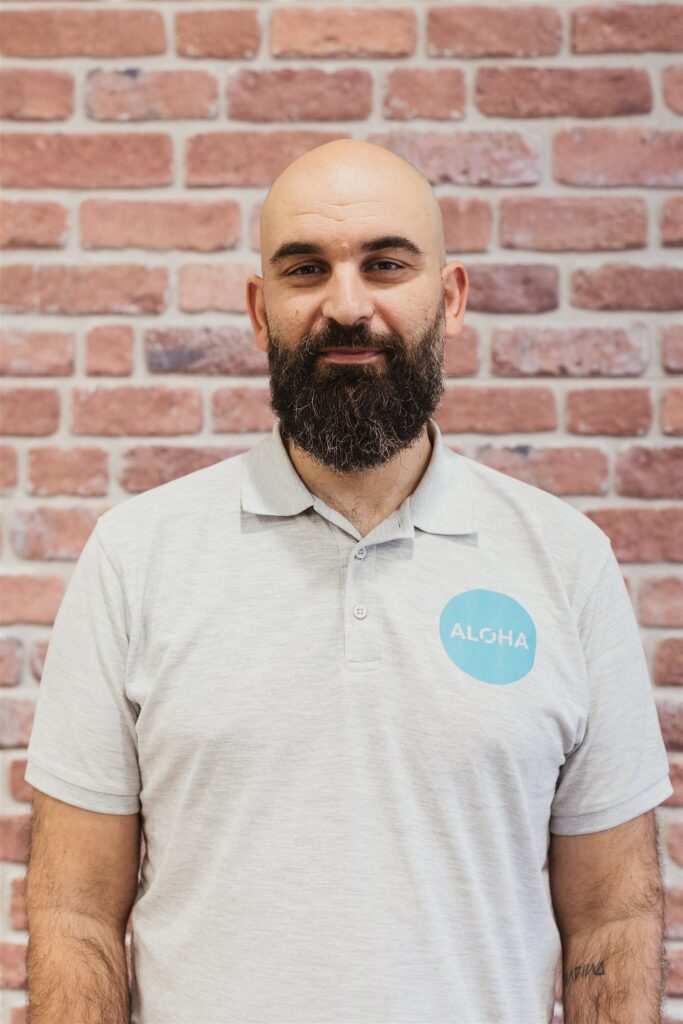
Dani Martínez
Dani brings over 15 years of high-level IT expertise to our boutique practice. With a distinguished background leading ServiceNow strategies at major firms like Hiberus (Head of ServiceNow Spain) and DXC Technology, he is a proven authority in complex architectures and integrations.
A certified expert (CIS-Discovery, CSA) known for his proactive leadership and deep technical vision, Dani is dedicated to bridging the gap between complex technology and business needs.
At Aloha Clouds, he ensures every client receives the senior-level attention and strategic clarity required to turn operational challenges into seamless, autonomous solutions.